Website Design
A Design that helps Your Business Grow
At DM Tricks, we pride ourselves on creative custom website designs that stand out from the crowd. Our team goes beyond templates, working closely with clients to understand their vision and goals. From there, we infuse our expertise in UI/UX design to ensure that every aspect of the website is not only visually appealing but also easy to navigate. Our team is dedicated to capturing the essence of your brand and translating it into a design that drives results.
Modern website design services are more involved than creating an attractive website. Consideration of user experience, search engine optimization, ease of use, and technical details are just a few elements that are involved in developing a website that is designed to perform in today’s competitive marketplace.


Transparent Process
that We Follow
We utilize a methodology which allows us to build a robust campaign framework that provides value for your business.
It is built around the following processes.
Goal Identification

When starting the website design process, we identify the goal of the website design, in close collaboration with the client. This helps in putting the design on the right path, making sure we understand the website’s goal, and develop a design accordingly.
Design without an audience is just art. Knowing exactly who is using the site dictates everything from the accessibility requirements and visual style to the tone of voice and navigation structure. If you try to design a website for “everyone,” you end up designing a website that connects with no one.
Every website needs a single, definitive “North Star.” A site trying to inform, entertain, and sell all at the exact same priority level becomes cluttered and confusing. Defining the primary purpose forces stakeholders to agree on what the ultimate priority is, which simplifies design hierarchy decisions later.
A website is often a company’s most visible brand asset. This question ensures the digital experience feels consistent with the rest of the company’s marketing. It also clarifies whether the design team needs to strictly adhere to established brand guidelines or if this redesign is the catalyst for a broader brand evolution.
You don’t want to launch a website that looks and feels exactly like three other companies in the same industry. Identifying competitors allows us to analyze what they are doing well (to learn from it) and where they are failing, giving you a blueprint to carve out a unique, superior position in the market.
This prevents you from accidentally throwing the baby out with the bathwater. There may be specific blog posts driving 80% of the site’s organic SEO traffic, integrations that the operations team relies on, or legacy content that is legally required. Identifying these “sacred cows” early saves massive amounts of time and protects existing assets.
Scope creep is a common web development issue. Strategic planning with realistic timelines can help you avoid scope creep and set up your website for success. You’ll need to address two primary elements when planning your website design strategy:
01. Sitemaps
The sitemap provides the foundation for any well-designed website. It helps give web designers a clear idea of the website’s information architecture and explains the relationships between the various pages and content elements.Building a site without a sitemap is like building a house without a blueprint. And that rarely turns out well.
02. Wireframes
The next step is to find some design inspiration and build a mockup of the wireframe. Wireframes provide a framework for storing the site’s visual design and content elements, and can help identify potential challenges and gaps with the sitemap.
Sitemap and
Wireframe creation
Design & Development
Your existing brand elements should influence the new website’s design. We’ll incorporate your color scheme, fonts, design and company logo so website visitors instantly recognize you. After handing off the design to development team, it’s time for the coding process. The platform, database and framework you decided on earlier all play a role in translating your design into functioning web pages. We’ll conduct front-end and back-end development during the development phase as we incorporate website content into the design.
01. Front-end coding
It involves compiling an HTML/CSS code and deploying it to run across the server.
02. Back-end coding
It includes advanced functionality, integrations, plug-ins and other behind-the-scenes functions.
When it comes to content, SEO is only half the battle. Once your website’s framework is in place, we start with the most important aspect of the site: the written content. Content serves two essential purposes.
Purpose 1: Content drives engagement and action
First, content engages readers and drives them to take the actions necessary to fulfill a site’s goals. This is affected by both the content itself (the writing), and how it’s presented (the typography and structural elements). Dull, lifeless, and overlong prose rarely keeps visitors’ attention for long. Short, snappy, and intriguing content grabs them and gets them to click through to other pages. Even if your pages need a lot of content — and often, they do — properly “chunking” that content by breaking it up into short paragraphs supplemented by visuals can help it keep a light, engaging feel.
Purpose 2: SEO
Content also boosts a site’s visibility for search engines. The practice of creation and improving content to rank well in search is known as search engine optimization, or SEO.
Content Creation
Visual Elements
Finally, it’s time to create the visual style for the site. This part of the design process will often be shaped by existing branding elements, colour choices, and logos, as stipulated by the client. But it’s also the stage of the web design process where a good web designer can really shine.
Images are taking on a more significant role in web design now than ever before. Not only do high-quality images give a website a professional look and feel, but they also communicate a message, are mobile-friendly, and help build trust.
Visual content is known to increase clicks, engagement, and revenue. But more than that, people want to see images on a website. Not only do images make a page feel less cumbersome and easier to digest, but they also enhance the message in the text, and can even convey vital messages without people even needing to read.
Before we launch, we break things to make sure they work. We put your new website through a rigorous quality assurance process to ensure a flawless user experience across all devices.
What we do in this phase:
Cross-Browser Testing:
Ensuring your site looks and functions perfectly on Chrome, Safari, Edge, and Firefox.
Mobile Optimization:
Testing responsiveness on various smartphones and tablets.
Link & Form Checks:
Verifying that every button clicks, every form submits, and every link goes exactly where it should.
Speed & Performance:
Optimizing images and code so your site loads lightning-fast.
Tesing The Website
Launching
The Website
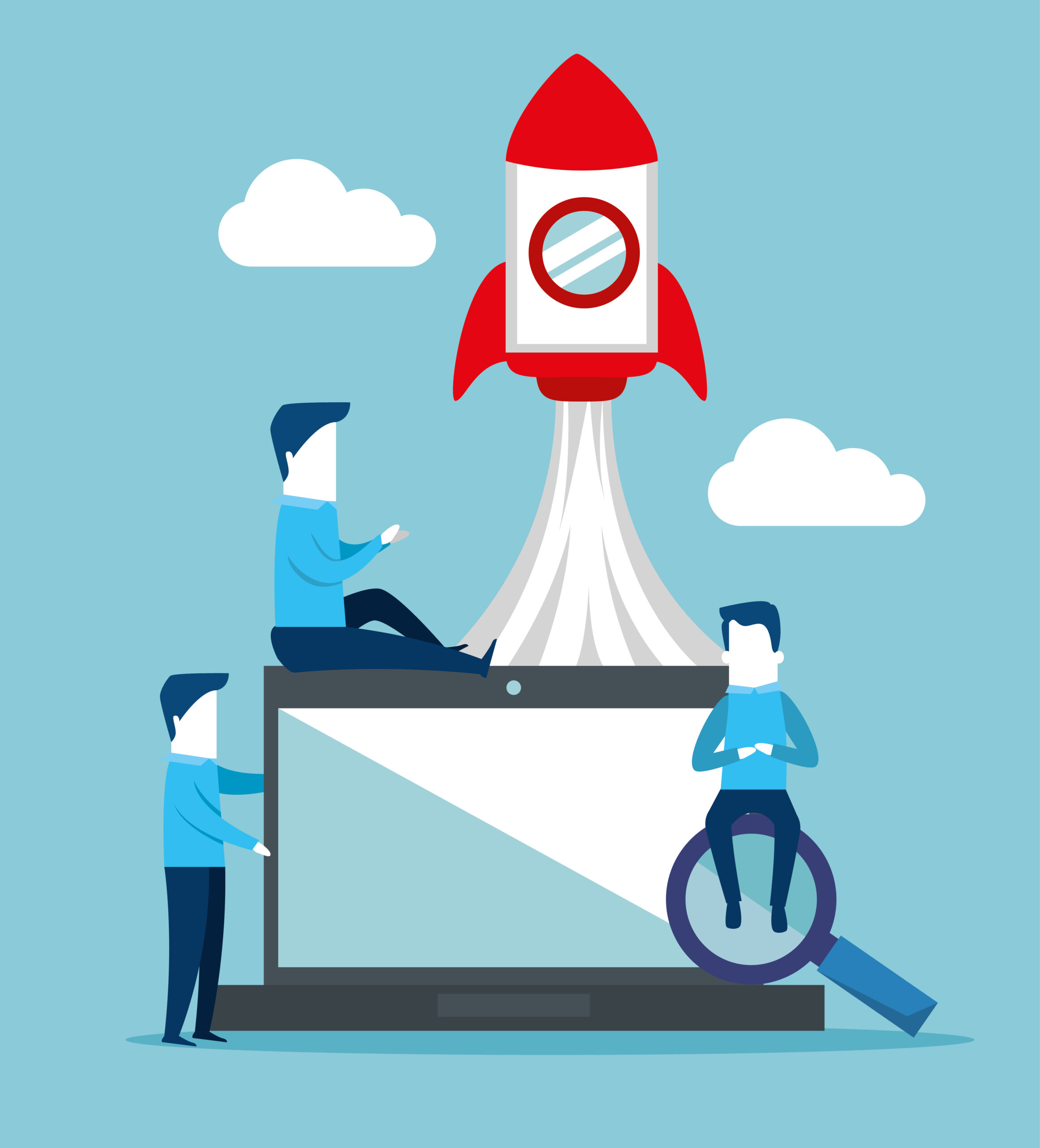
Now it’s time for everyone’s favorite part of the website design process: When everything has been thoroughly tested, and you’re happy with the site, it’s time to launch.
Don’t expect this to go perfectly: There may be still some elements that need fixing. Web design is a fluid and ongoing process that requires constant maintenance.
Web design — and really, design in general is all about finding the right balance between form and function. You need to use the right fonts, colors, and design motifs. But the way people navigate and experience your site is just as important.
Skilled designers should be: well versed in this concept and able to create a site that walks the delicate tightrope between the two.
A key thing to remember about the launch stage is that it’s nowhere near the end of the job. The beauty of the web is that it’s never finished. Once the site goes live, you can continually run user testing on new content and features, monitor analytics, and refine your messaging.
Subsribe To Our Newsletter
Stay in touch with us to get latest news and special offers.